
Third-Party Workplace Injury Claims
Workplace injuries often raise questions about who may be legally responsible and what options are available beyond workers’ compensation benefits. While workers’ compensation may provide limited benefits, some workplace injuries are caused by the negligence of third parties—such as contractors, subcontractors, property owners, equipment manufacturers, or other entities not directly employing the injured worker. In those situations, a third-party workplace injury claim may allow an injured worker to pursue additional compensation.
Third-party workplace injury claims commonly arise in construction sites, industrial settings, warehouses, transportation environments, and other high-risk workplaces. These cases can involve complex factual issues, multiple responsible parties, and overlapping insurance coverage.
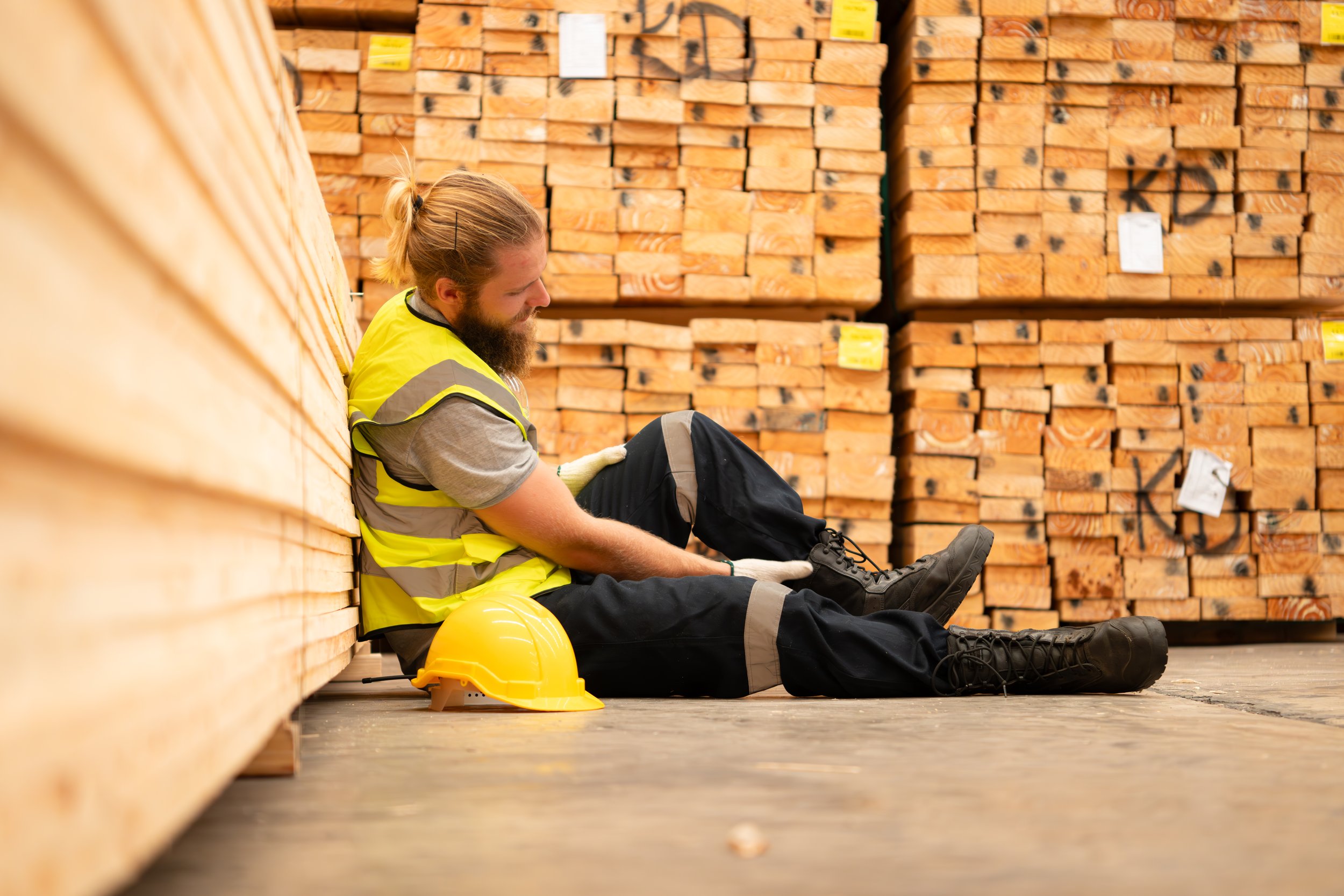

“Workplace injuries may involve more than workers’ compensation when third-party negligence is involved.”
Key Considerations in a Third-Party Workplace Injury Case
-
Not every workplace injury involves a third-party claim. Determining whether a third party may be legally responsible requires examining who controlled the worksite, who owned or maintained equipment, and whether another entity’s negligence contributed to the injury. Early investigation is critical to identifying potential claims beyond workers’ compensation.
-
Third-party workplace injury claims often proceed alongside a workers’ compensation claim. While workers’ compensation may cover certain medical expenses and lost wages, it may not fully compensate an injured worker for all losses. Coordinating these claims requires careful attention to timing, benefits, and potential liens to protect an injured worker’s overall recovery.
-
Workplace injury evidence can be lost quickly, particularly on active job sites where equipment is repaired, replaced, or put back into service. Machinery, tools, safety records, maintenance logs, incident reports, and witness statements may be critical to establishing liability. Prompt investigation helps preserve key evidence before conditions change.
-
Third-party workplace injury cases often involve questions about safety standards, training, and regulatory compliance. Evaluating whether proper safety procedures were followed—and whether known hazards were ignored—can be central to determining liability. These cases may involve industry standards, internal policies, and state or federal safety regulations.
-
Third-party workplace injury cases may involve multiple defendants, including corporations, contractors, and manufacturers. These cases are often heavily defended and may require extensive discovery, expert testimony, and strategic coordination. Preparing the case with the expectation that litigation may be necessary helps protect the injured worker’s rights and preserves leverage in settlement discussions.
-
Third-party workplace injury claims can be complex, particularly when multiple parties and insurance policies are involved. Understanding whether a third-party claim may exist and how it interacts with workers’ compensation benefits can help injured workers make informed decisions about their options. Sulkin Law approaches third-party workplace injury cases with careful investigation, strategic advocacy, and clear communication. If you have questions about a workplace injury involving a third party, a conversation can help clarify your next steps.
Evaluating Your Legal Options
Every case is different, and there is no single path forward that fits every situation. Understanding your rights, the potential challenges involved, and the options available can help you make informed decisions about your next steps. Sulkin Law is committed to thorough preparation, strategic advocacy, and clear communication, guiding clients through the legal process with care and attention at every stage. If you have questions about a potential claim, a conversation can help provide clarity.
Discuss Your Options
Questions about a potential claim? A conversation can help clarify your options.