
Products Liability
Manufacturers, distributors, and sellers have a responsibility to ensure that the products they place into the marketplace are reasonably safe when used as intended. When a defective or dangerous product causes injury or death, a products liability claim may allow injured individuals or families to seek accountability and compensation. These cases often involve complex factual and legal issues, including corporate practices, design decisions, and product testing.
Products liability claims may arise from defective consumer products, industrial equipment, pharmaceuticals, medical devices, automotive components, and other manufactured goods. Unlike simple accident cases, products liability matters frequently require extensive investigation, expert analysis, and strategic litigation to uncover how and why a product failed.
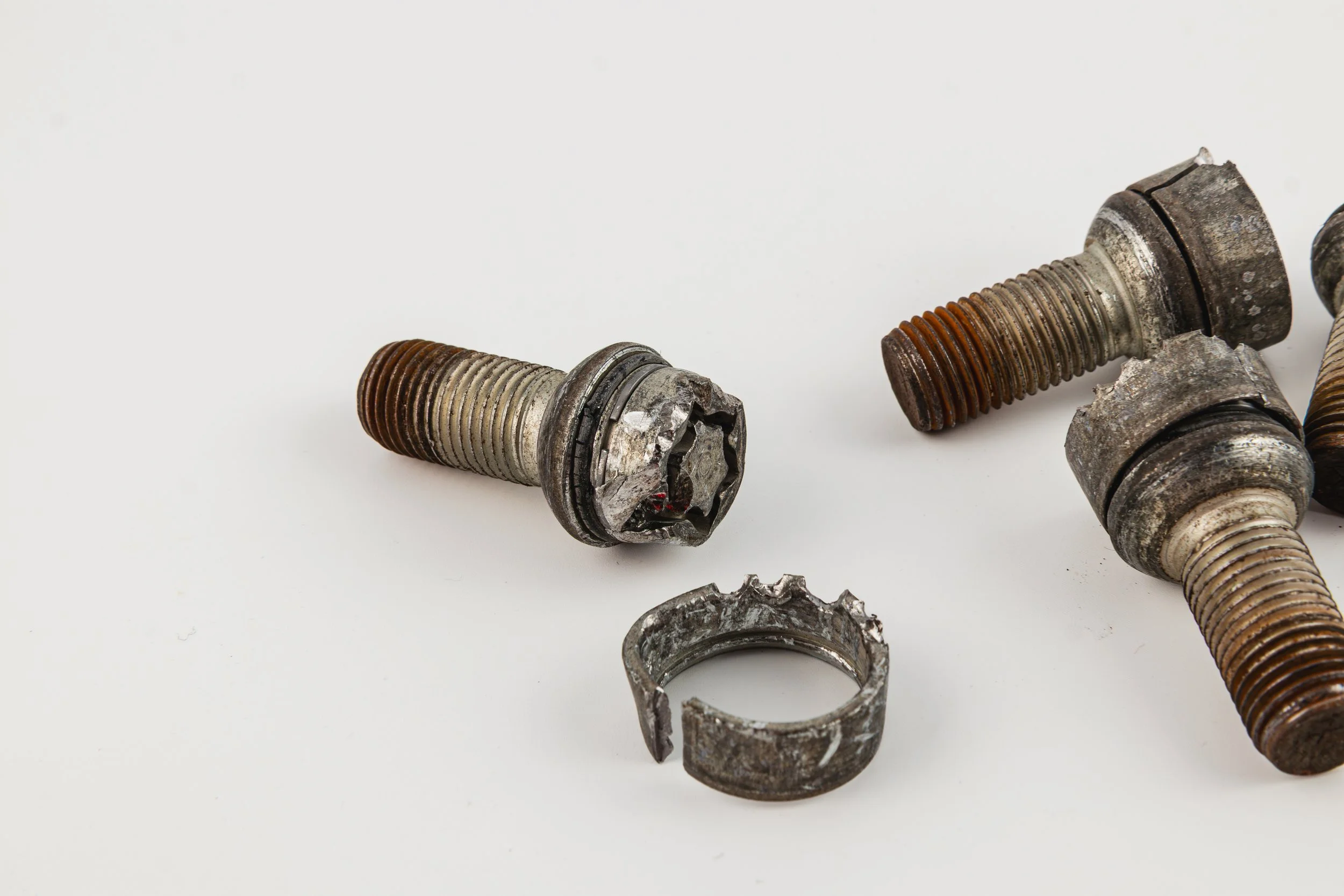

“Products liability cases often depend on uncovering what went wrong long before an injury ever occurred.”
Key Considerations in a Products Liability Case
-
Products liability claims may involve different types of defects, including design defects, manufacturing defects, or failures to warn about known risks. Determining how a product was defective often requires comparing the product as designed or manufactured against applicable safety standards, industry practices, and reasonable consumer expectations.
-
The product itself is often the most critical piece of evidence in a products liability case. Preserving the product in its post-incident condition, along with packaging, instructions, warnings, and purchase records, can be essential. In some cases, improper handling, repair, or disposal of the product can compromise a claim. Early evidence preservation helps protect the integrity of the case.
-
Products liability cases frequently turn on what manufacturers or sellers knew—or should have known—about potential risks. This may involve reviewing internal documents, testing data, prior complaints, recalls, or regulatory filings. Discovery and investigation can reveal whether safer alternatives existed or whether known dangers were not adequately addressed.
-
Proving that a defective product caused an injury often requires expert testimony, technical analysis, and medical evidence. Establishing causation involves connecting the defect to the injury, while damages may include medical expenses, lost income, long-term care needs, and non-economic harm. Careful documentation is necessary to fully evaluate the impact of a product-related injury.
-
Products liability cases may involve multiple defendants, national corporations, insurers, and, in some instances, coordinated or multi-district litigation. These cases often require navigating complex procedural rules, extensive discovery, and expert coordination. Preparing a case with the expectation that it may proceed through significant litigation helps protect a client’s interests and preserves leverage in settlement discussions.
-
Products liability cases require careful investigation, technical understanding, and strategic litigation planning. Identifying defects, preserving evidence, and establishing responsibility can take time and resources, particularly when large manufacturers or corporate defendants are involved. Sulkin Law approaches products liability matters with thorough preparation, attention to detail, and a readiness to pursue litigation when necessary. If you have questions about a potential products liability claim, a conversation can help clarify your options.
Evaluating Your Legal Options
Every case is different, and there is no single path forward that fits every situation. Understanding your rights, the potential challenges involved, and the options available can help you make informed decisions about your next steps. Sulkin Law is committed to thorough preparation, strategic advocacy, and clear communication, guiding clients through the legal process with care and attention at every stage. If you have questions about a potential claim, a conversation can help provide clarity.
Discuss Your Options
Questions about a potential claim? A conversation can help clarify your options.